Omnit Business and Technology Blog

- AI In Business
- 8 mins
Ten thousand customer service conversations cost roughly 37 dollars in tokens. The figure comes from Anthropic’s own pricing documentation, and it is the number that goes missing from the slide when an AI assistant is demonstrated...

- AI In Business
- 8 mins
A chatbot answers questions. An agent reads your inbox and sends messages on your behalf, so the security question moves from what the model says to what the agent may do....

- AI In Business
- 5 mins
Among companies that have invested in generative AI, 46% report that no enterprise objective has seen a strong positive impact from that investment. The figure comes from S&P Global Market Intelligence, whose 2025 Voice of the...
- AI Building Blocks
- 7 mins
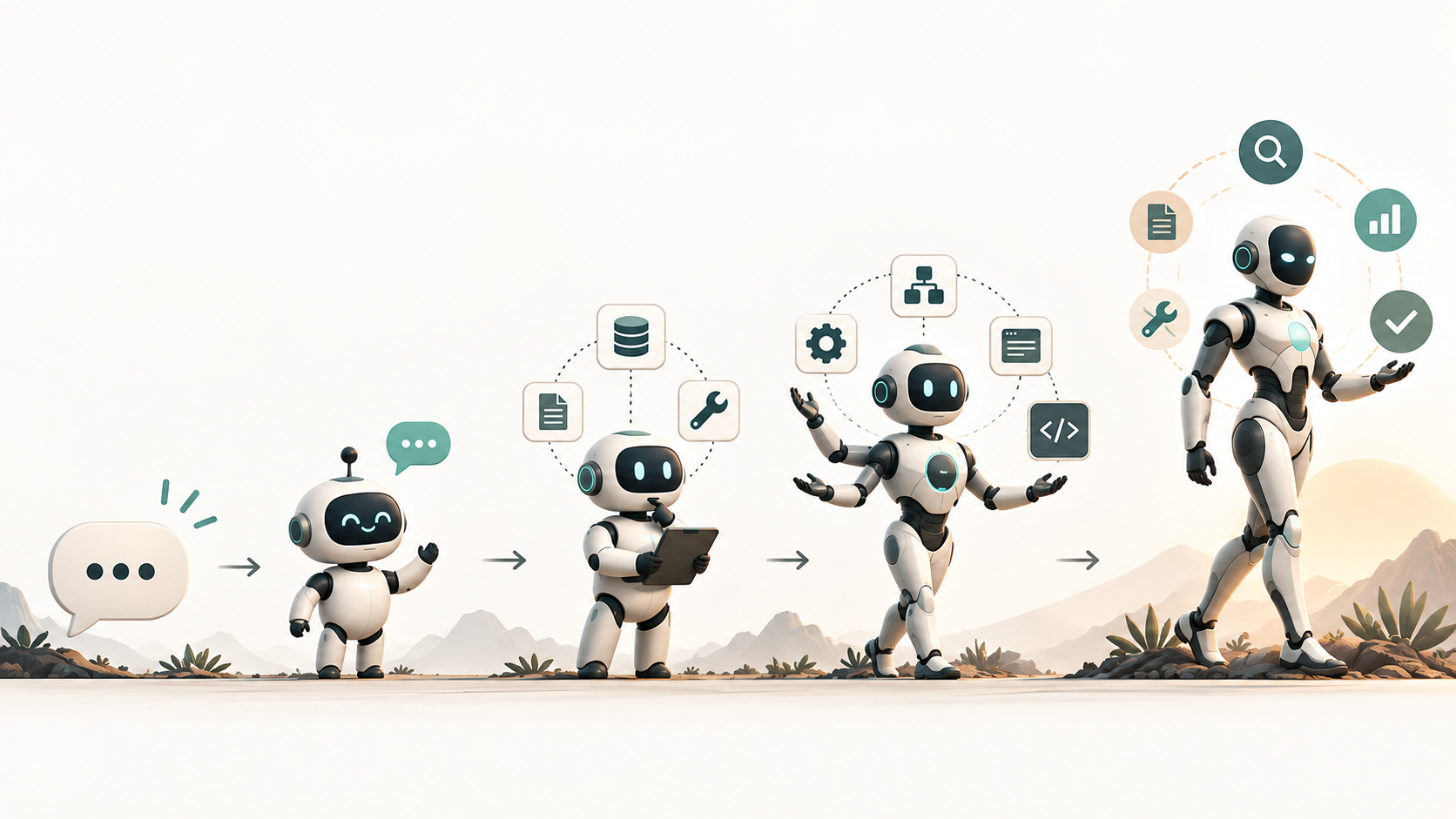
Vendors have relabelled almost everything as agentic. Here is a working definition, a picture that holds up in a procurement meeting, and the numbers that show when autonomy earns its cost....

- AI In Business
- 6 mins
Describing an application in plain language and watching it appear is the fastest thing to happen to software in a decade. The cost of that speed shows up later, in the layer that stays invisible to...

- AI In Business
- 5 mins
Gartner predicts that through 2026, companies will abandon 60% of the AI projects that lack AI‑ready data. A Gartner survey of 1,203 data management leaders, conducted in July 2024, put a second figure beside it: 63%...

- AI In Business
- 6 mins
Most compliance effort in a mid-sized company goes into finding personal data before anyone can protect it. Data lineage turns that search into a lookup....

- AI In Business
- 7 mins
Fewer than half of sales leaders trust their own forecast, and one of the quietest reasons sits in the CRM: the same buyer recorded three times, in three spellings, owned by three people. This is what...

- AI Business Use Case
- 6 mins
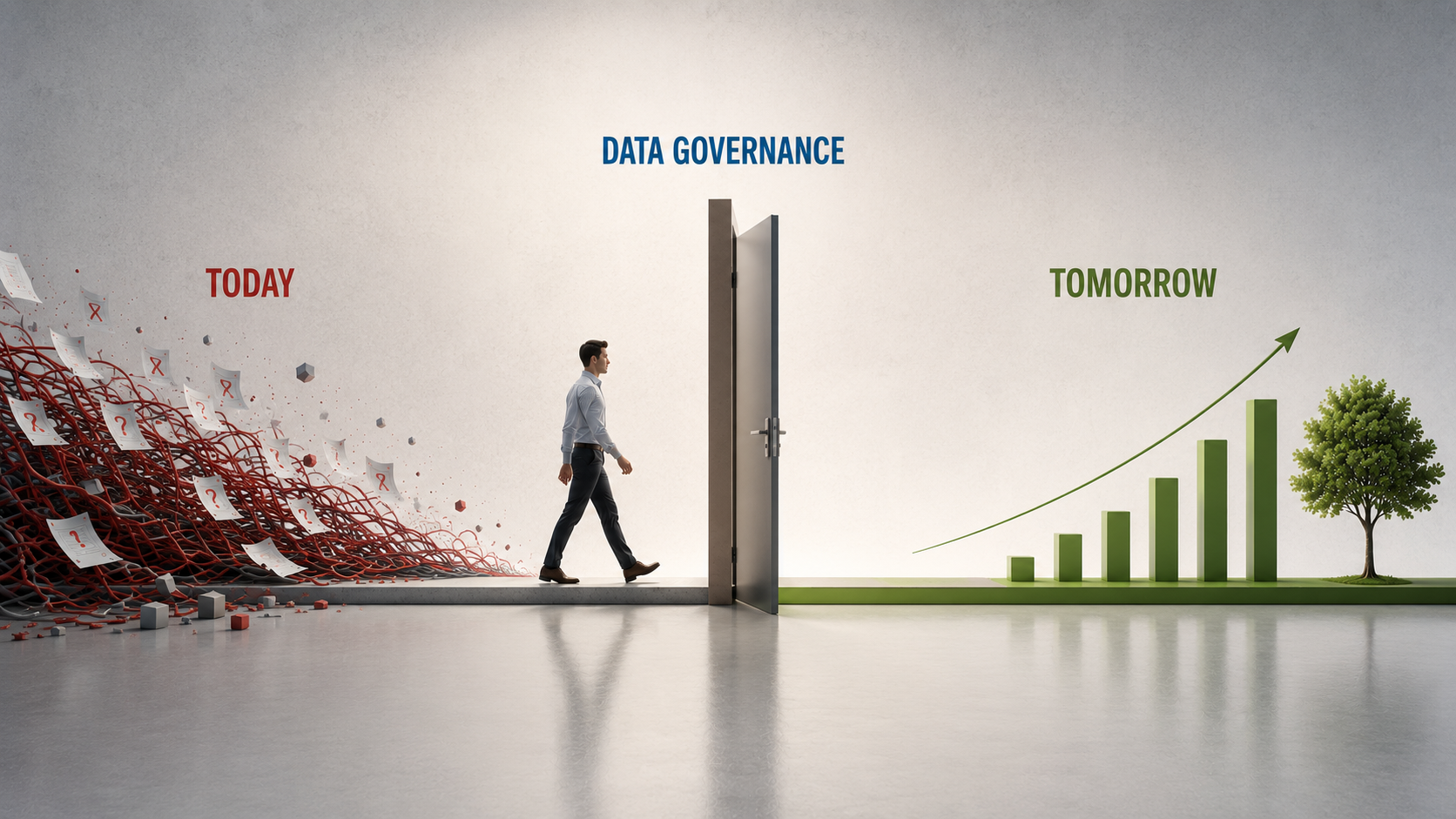
Three dashboards, three numbers for the same campaign. The cause usually sits upstream of the reporting tool, in a missing marketing KPI definition, an unnamed owner, and an undeclared source of truth. Here is what data...
- AI In Business
- 5 mins
Gartner puts the average annual cost of poor data quality at USD 12.9 million per organization. The figure is large enough to feel abstract, and that is part of the problem. The cost arrives in small...

- AI In Business
- 5 mins
Your company already governs its data. The question is whether anyone wrote the rules down. Every company has data governance. In most mid-sized firms, it lives in the heads of three or four people who know...

- AI In Business
- 6 mins
On a Hungarian factual question set, GPT-4o answers roughly half the questions correctly. The same class of model is far ahead of that in English. The gap is structural, it has four separate causes, and it...

- AI In Business
- 11 mins
The EU AI Act is the world's first comprehensive law on artificial intelligence, and it reaches further than most executives expect. If your company builds, buys, or simply uses an AI system whose results touch anyone...
- AI In Business
- 4 mins
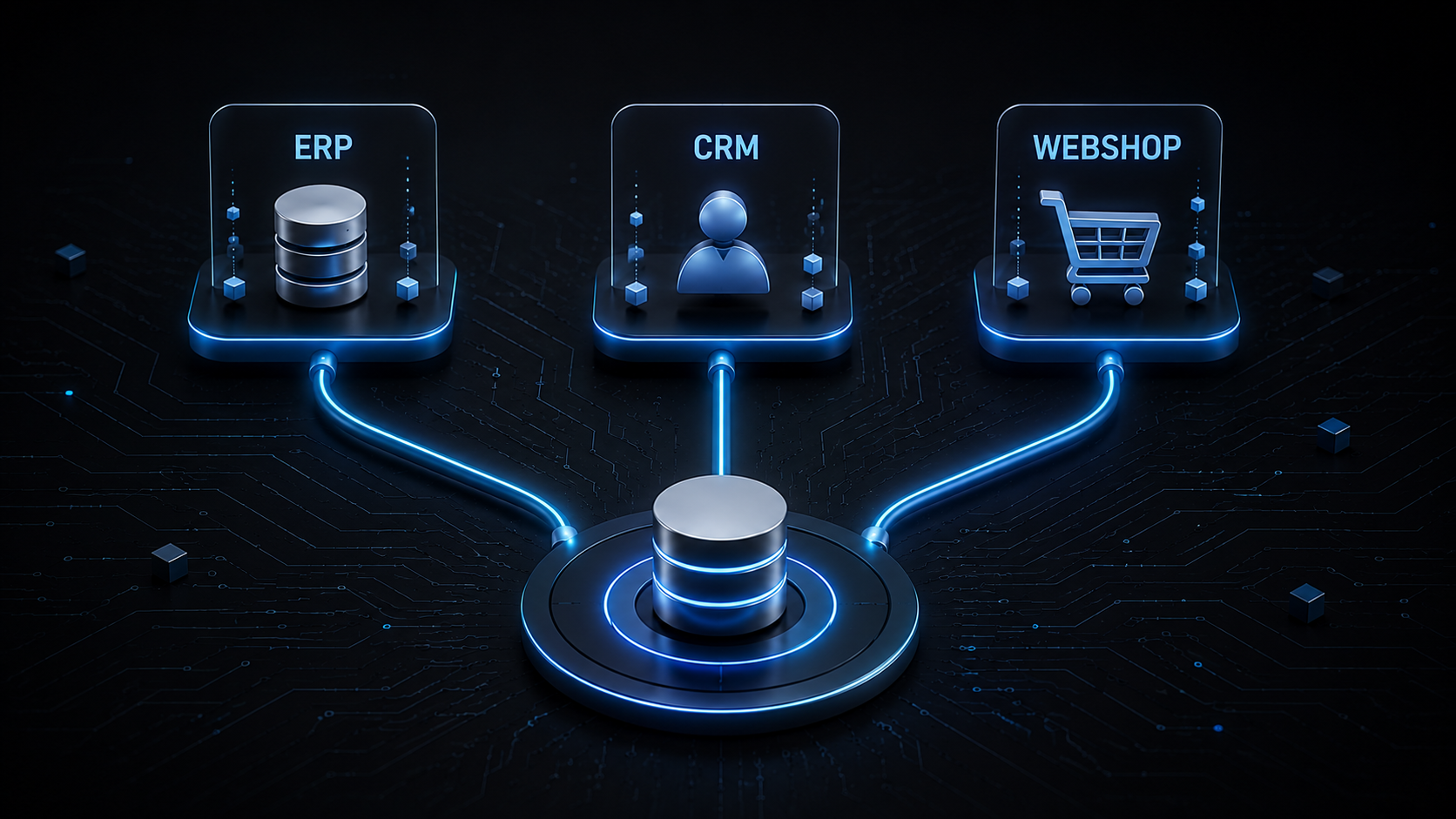
Poor data quality costs the average organisation $12.9 million a year, according to Gartner. For a wholesaler, a large share of that bill begins with one quiet problem: the same customer lives in several systems, and...
- AI In Business
- 7 mins
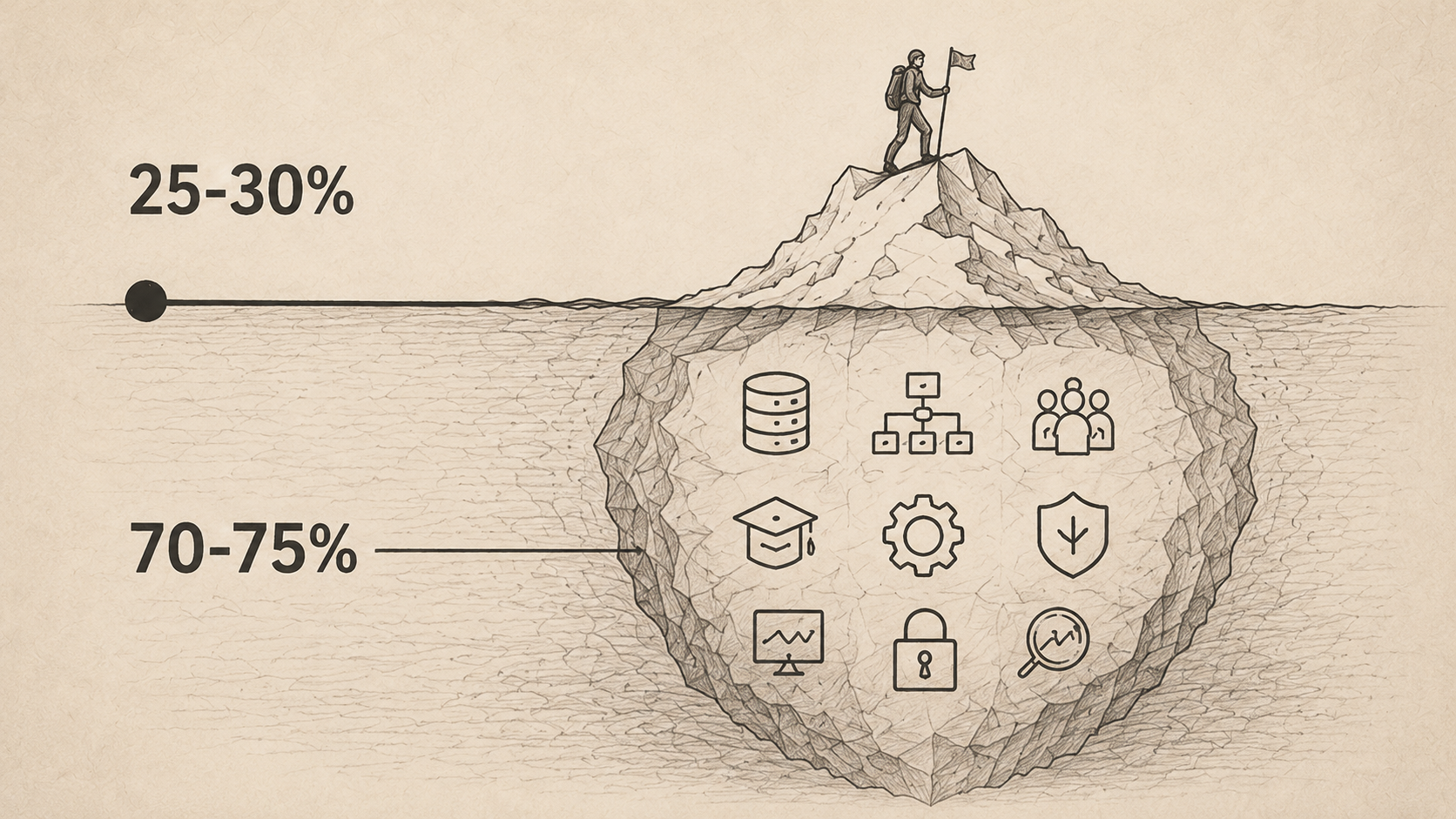
Over the past few years, I have guided several Hungarian companies through their AI implementations, and one pattern shows up almost every time: by the end of the project, the cost exceeds the quoted amount. The...

- AI In Business
- 7 mins
The technology exists. It is affordable. For a growing share of companies, it already pays for itself. So the honest question for any leader in 2026 points inward: what keeps your company from moving? The technology...

- AI Building Blocks
- 6 mins
If a system can already interpret images, the obvious question arises: why is video needed at all? Why not rely on still frames? The answer is straightforward: real-world operations are not static. They unfold over time....

- AI Building Blocks
- 6 mins
At its core, Computer Vision is a field of artificial intelligence that enables machines to interpret visual data: images, videos, and live camera feeds. Humans process visual information instantly and intuitively. A warehouse scene, a production...

- AI In Business
- 6 mins
Artificial intelligence is now everywhere—embedded in tools, products, and boardroom conversations. At the same time, it is the subject of increasingly extreme claims: some treat it as a simple productivity layer, others as an imminent autonomous...

- AI Business Use Case
- 5 mins
Most organizations operate with a blind spot: they measure outcomes but don’t see what actually happens within the process. Activities are carried out, decisions are made, and work progresses — yet this layer largely remains unseen....